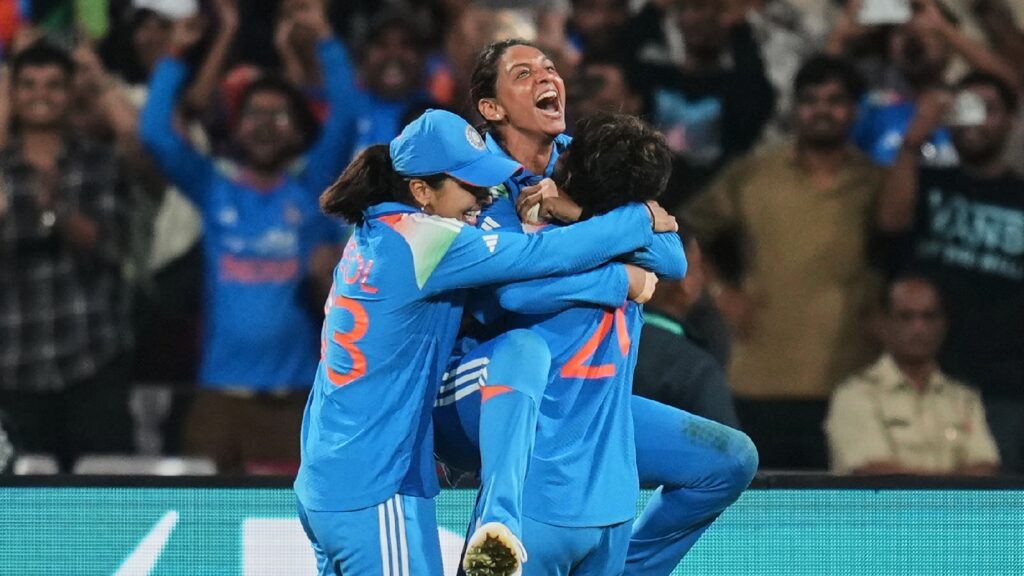
The 2026 T20 World Cup in England arrives at a fascinating moment for the women’s game. The likes of Harmanpreet Kaur and Ellyse Perry are preparing for their 10th appearances at the tournament. New Zealand’s title-winning trio of Suzie Bates, Sophie Devine and Lea Tahuhu are embarking on a farewell campaign. Shabnim Ismail has come out of retirement for one final shot at the trophy that has twice slipped South Africa’s grasp.
Yet while the old guard prepares for another run, a new generation is closing in, and whether experience can hold off youth may ultimately define the tournament.
Australia remain the benchmark despite entering a period of transition. England have home conditions and a growing belief under Nat Sciver-Brunt and Charlotte Edwards. Defending champions New Zealand arrive with the confidence of proven winners, while South Africa and India believe their moment may finally have arrived.
The growing parity in the women’s game raises a fascinating question: will the established powers have one final say, or is a changing of the guard finally underway?
Sides in transition
For the first time in years, Australia arrive at a T20 World Cup without some of the names who defined their golden era. Meg Lanning retired a few years ago, and Alyssa Healy hung up her boots months before the tournament; hence, they will be led by a relatively new captain in Sophie Molineux.
Yet the production line shows no signs of slowing down. Ellyse Perry and Megan Schutt still provide experience, Annabel Sutherland is one of the game’s premier all-rounders, while Phoebe Litchfield represents Australia’s next batting generation.
England’s transition under Sciver-Brunt and Edwards has gathered momentum, highlighted by a semifinal appearance at last year’s ODI World Cup. Playing at home will bring expectation, but it could also provide them with their best chance in years to reclaim the title.